
UI/UX Design
Discipline · Experience
Articles about UI/UX Design.

Aesthetic-Usability Effect
People tend to judge a good-looking interface as the easier one to use, whatever its real usability.

Doherty Threshold
A product and its user are at their most productive when neither has to wait for the other: a response in under 400 milliseconds.
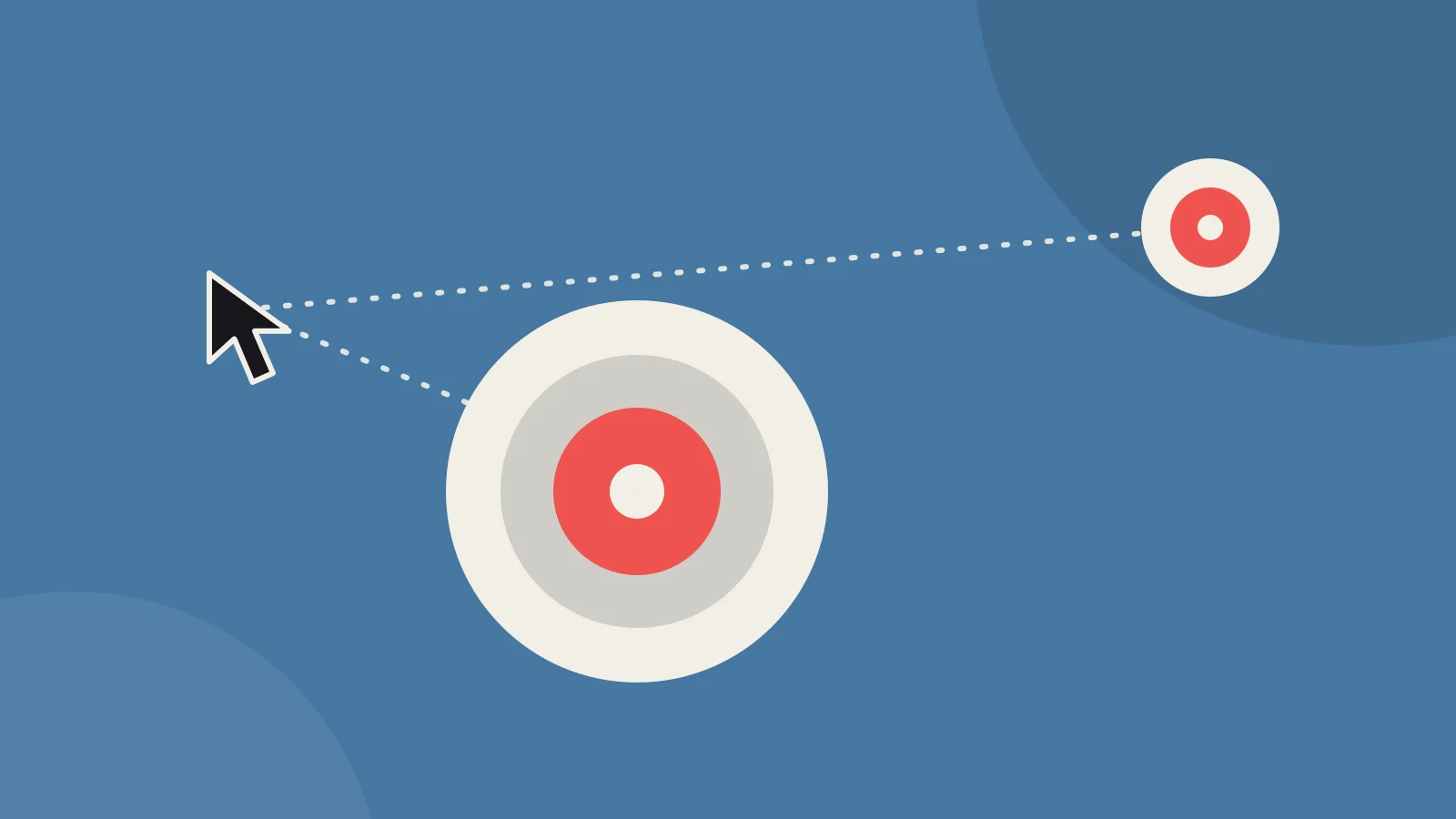
Fitts’s Law
The time needed to reach a target depends on how far away it is and how big it is.
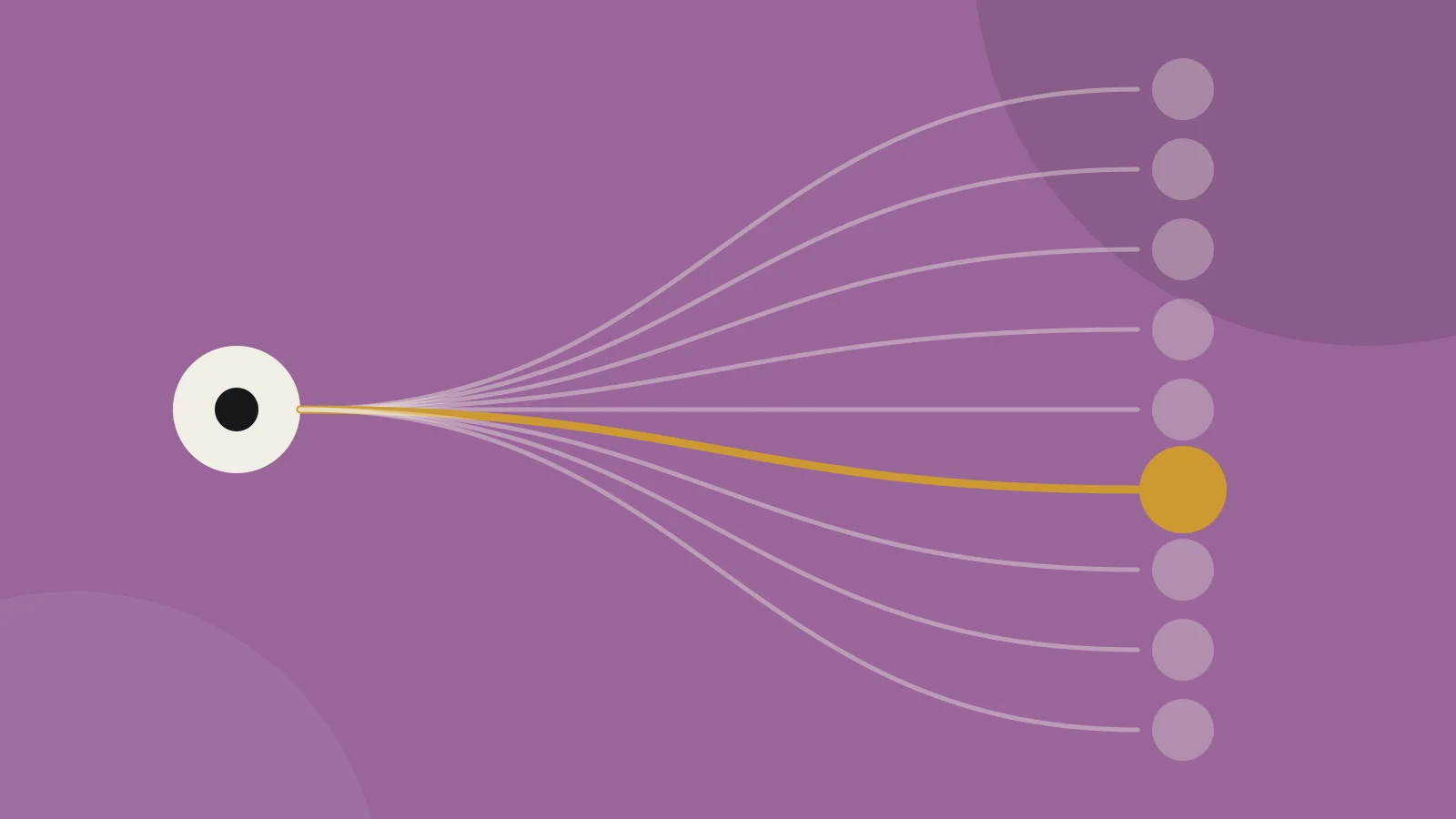
Hick’s Law
The more choices a person has, and the more complex they are, the longer it takes to decide.

Jakob’s Law
People spend most of their time on other sites, so they expect yours to work the way those do.
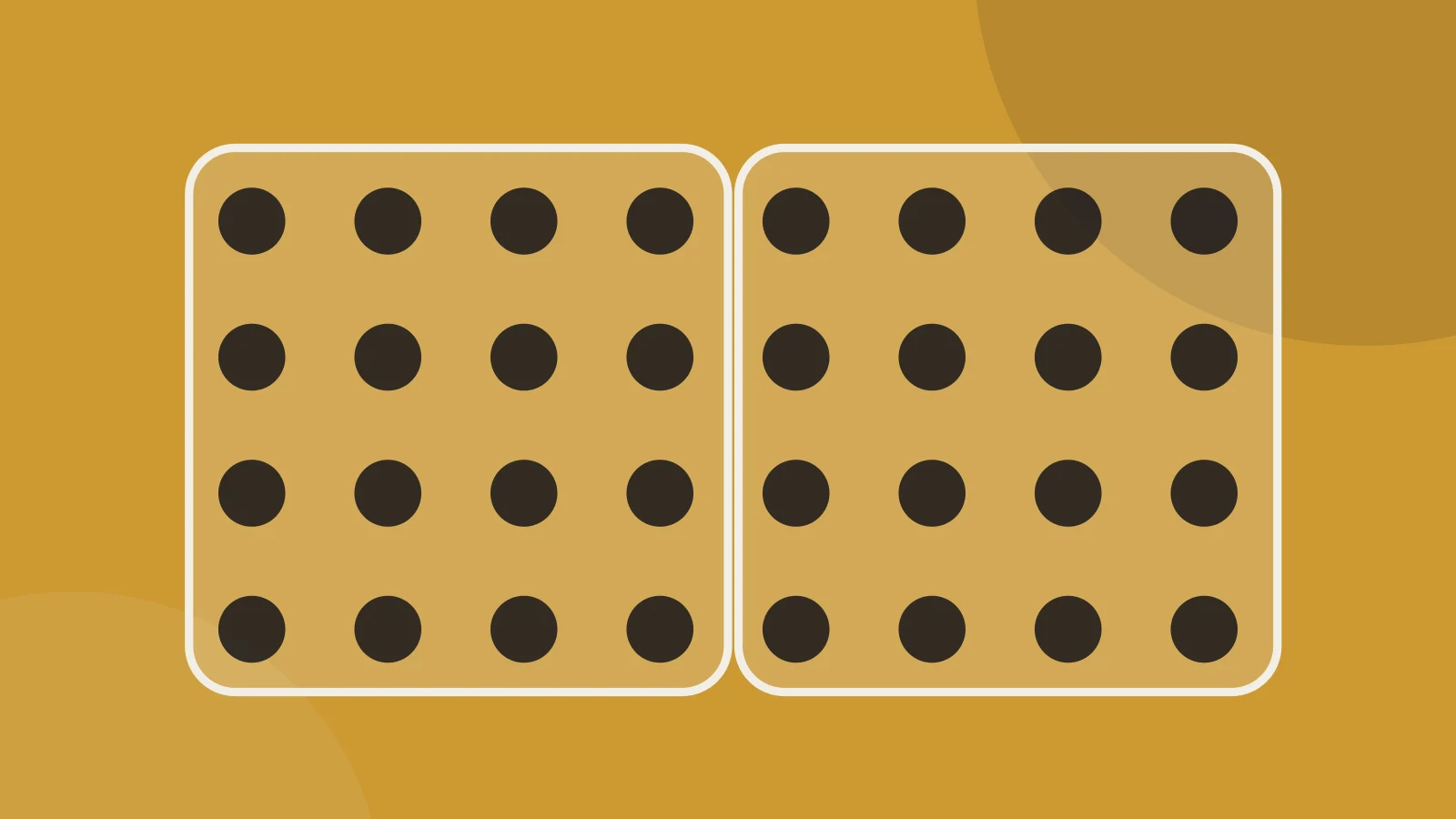
Law of Common Region
Elements that share an area with a clearly defined boundary are perceived as a group.
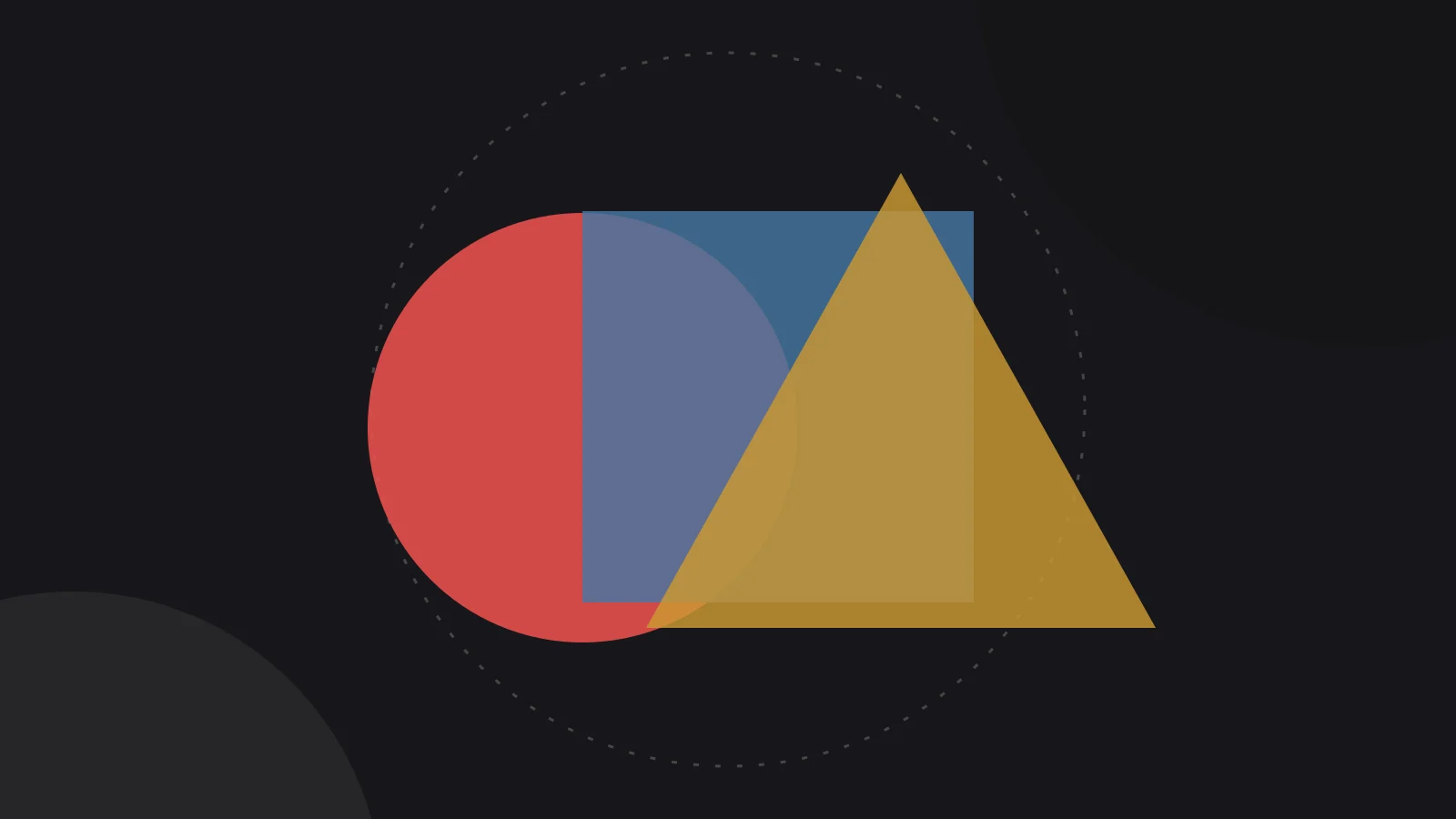
Law of Prägnanz
People interpret ambiguous or complex images in the simplest form they can, because it takes the least effort.

Law of Proximity
Objects that are close to each other are perceived as belonging together.
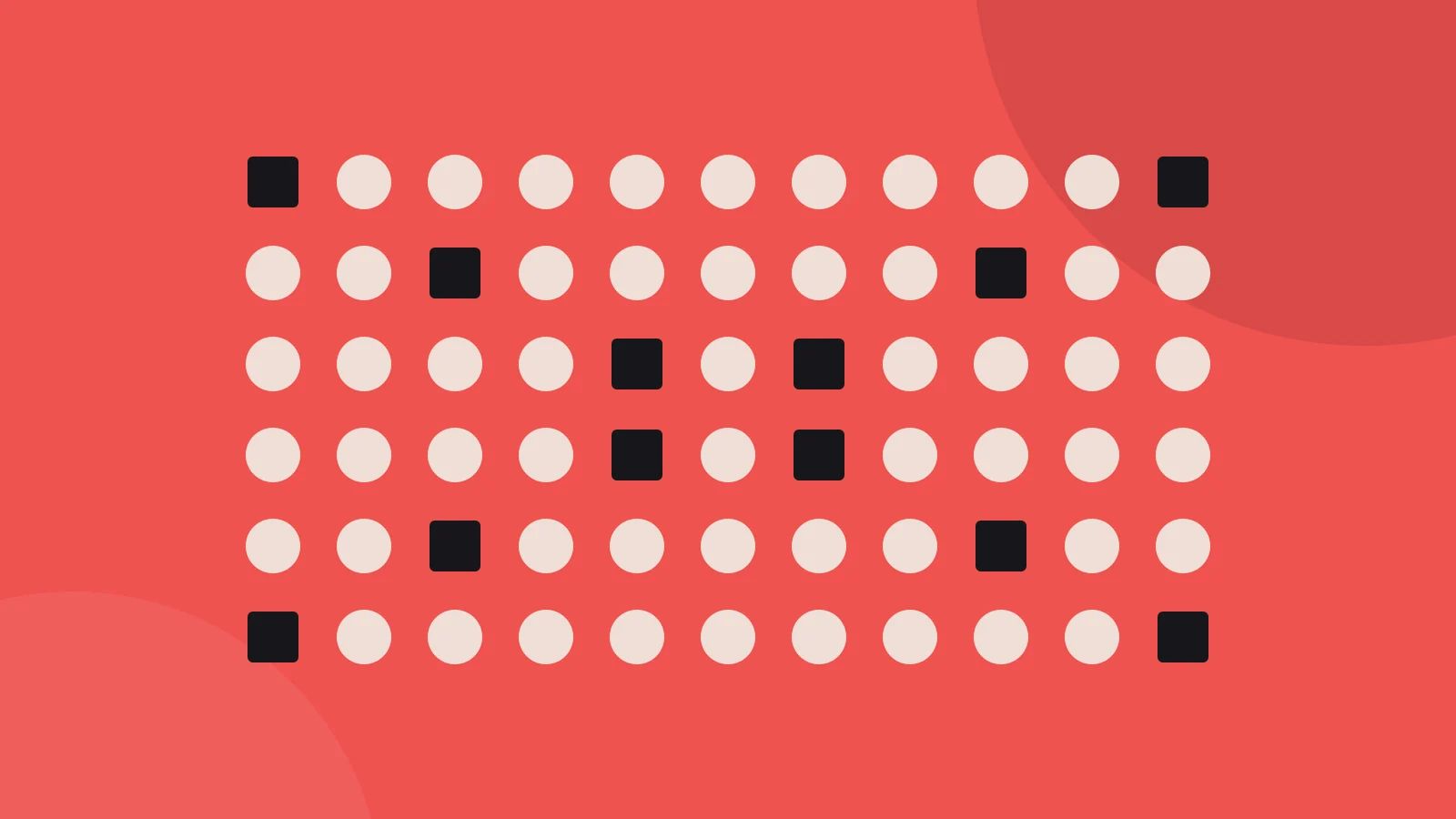
Law of Similarity
Elements that look alike are perceived as related, even when they are not next to each other.

Law of Uniform Connectedness
Elements that are visually connected are seen as more related than elements without a connection.

Miller’s Law
The average person can hold about seven items, give or take two, in working memory at once.
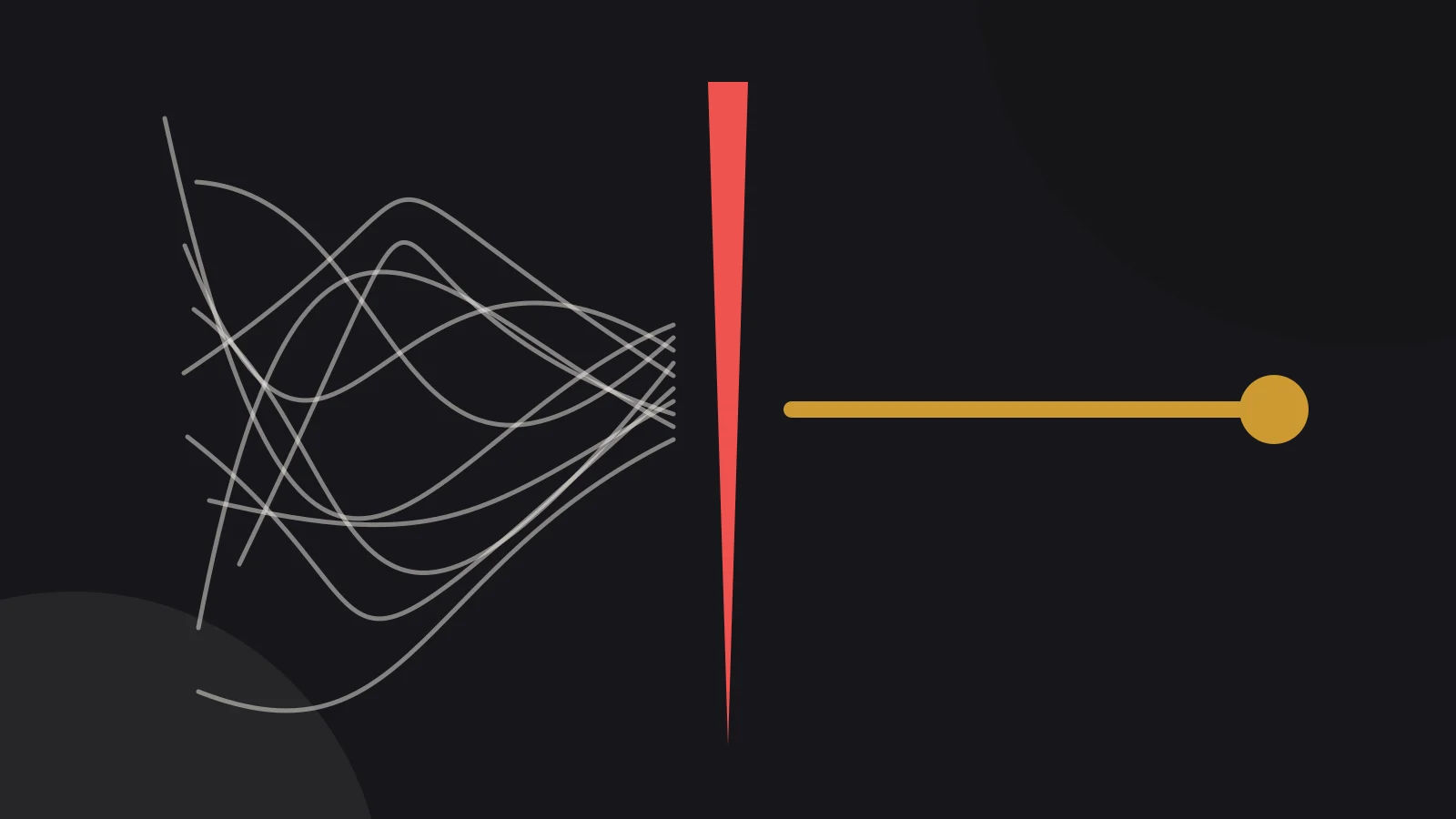
Occam’s Razor
When two explanations fit equally well, prefer the one with fewer assumptions.

Show all articles
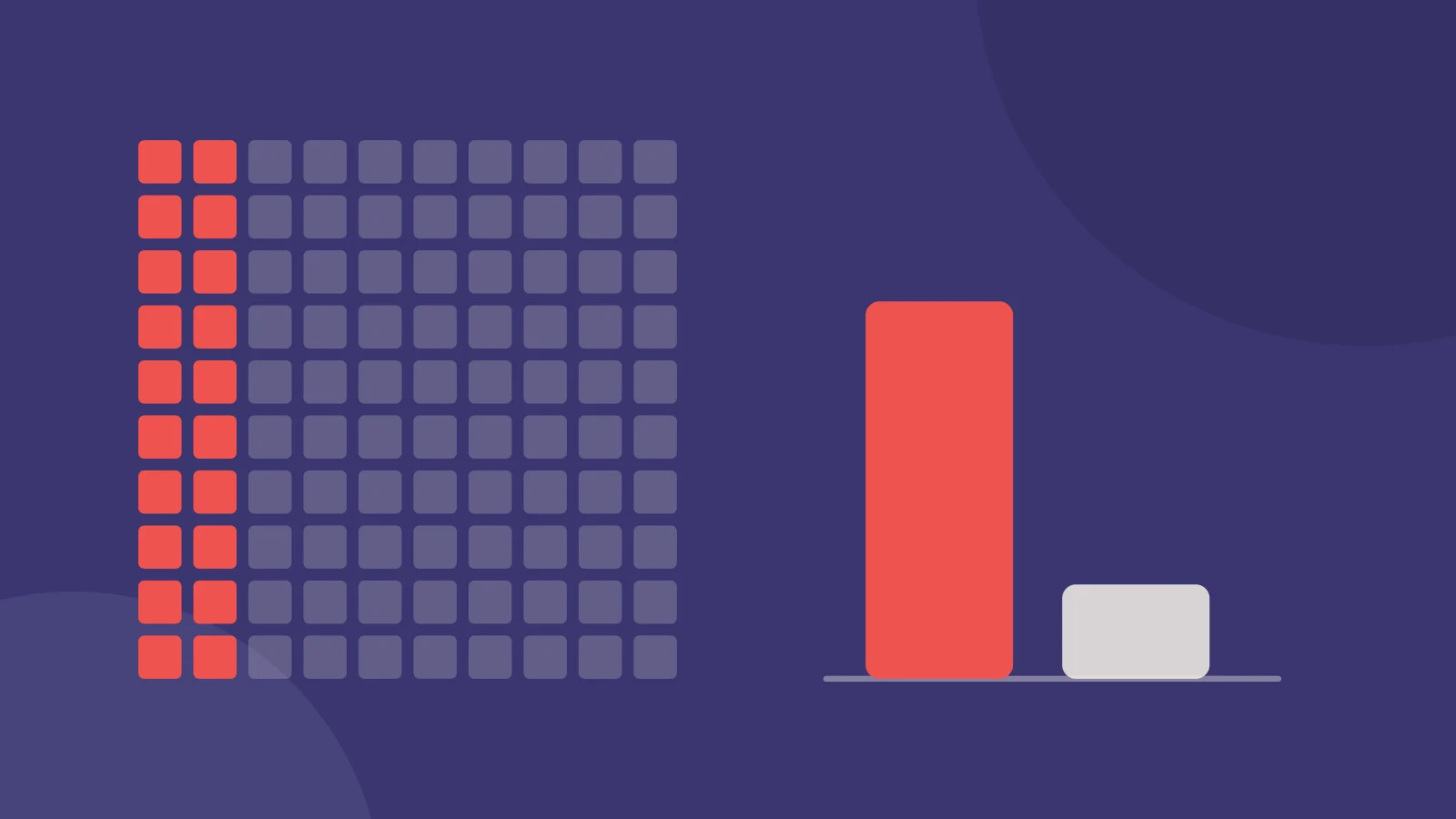
Pareto Principle
For many systems, roughly 80% of the effects come from 20% of the causes.

Parkinson’s Law
Work expands to fill the time available for its completion.
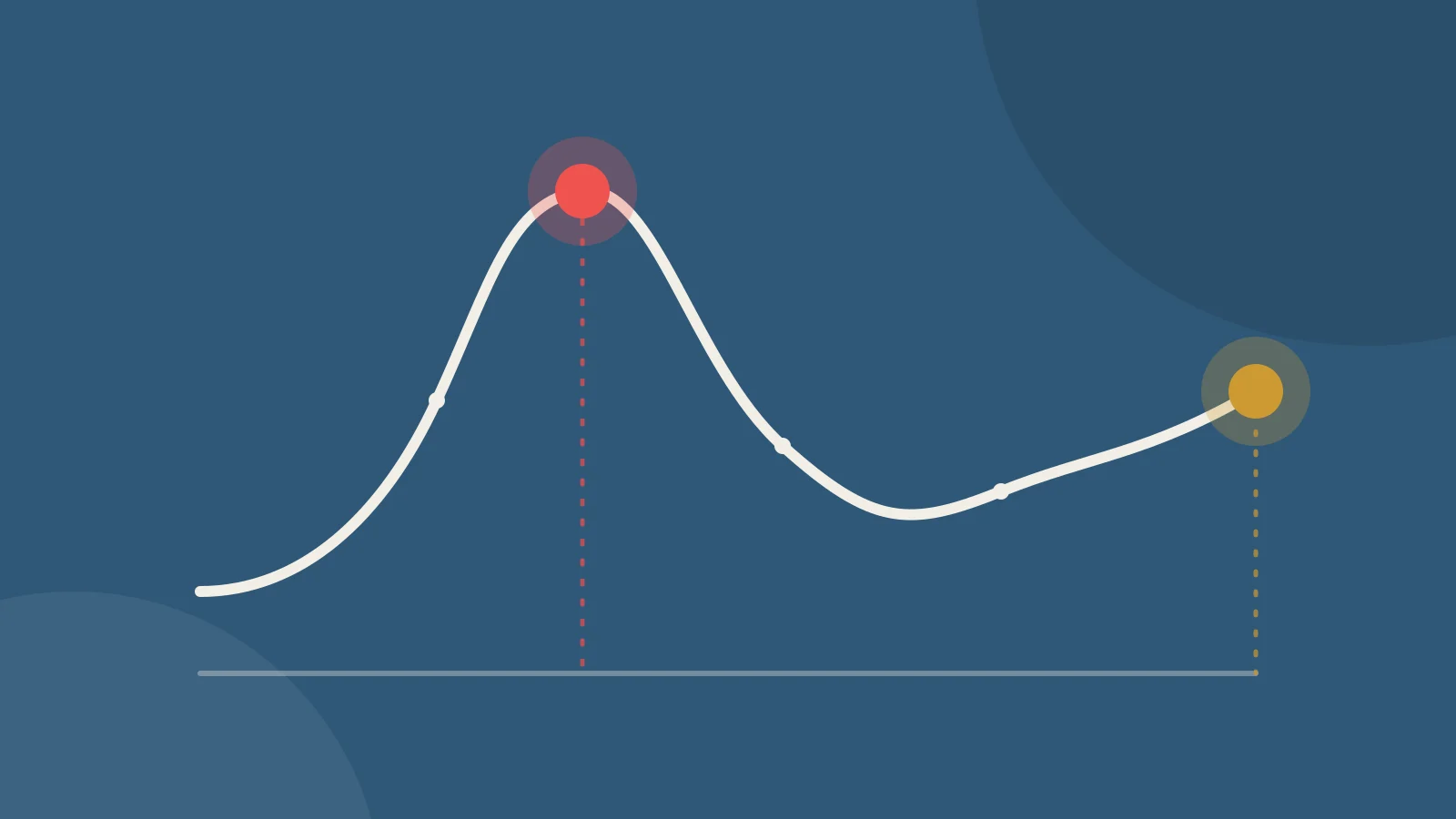
Peak-End Rule
People judge an experience mainly by how they felt at its most intense moment and at its end, not by the average of every moment.

Postel’s Law
Be liberal in what you accept and conservative in what you send.

Serial Position Effect
People remember the first and the last items in a series best.
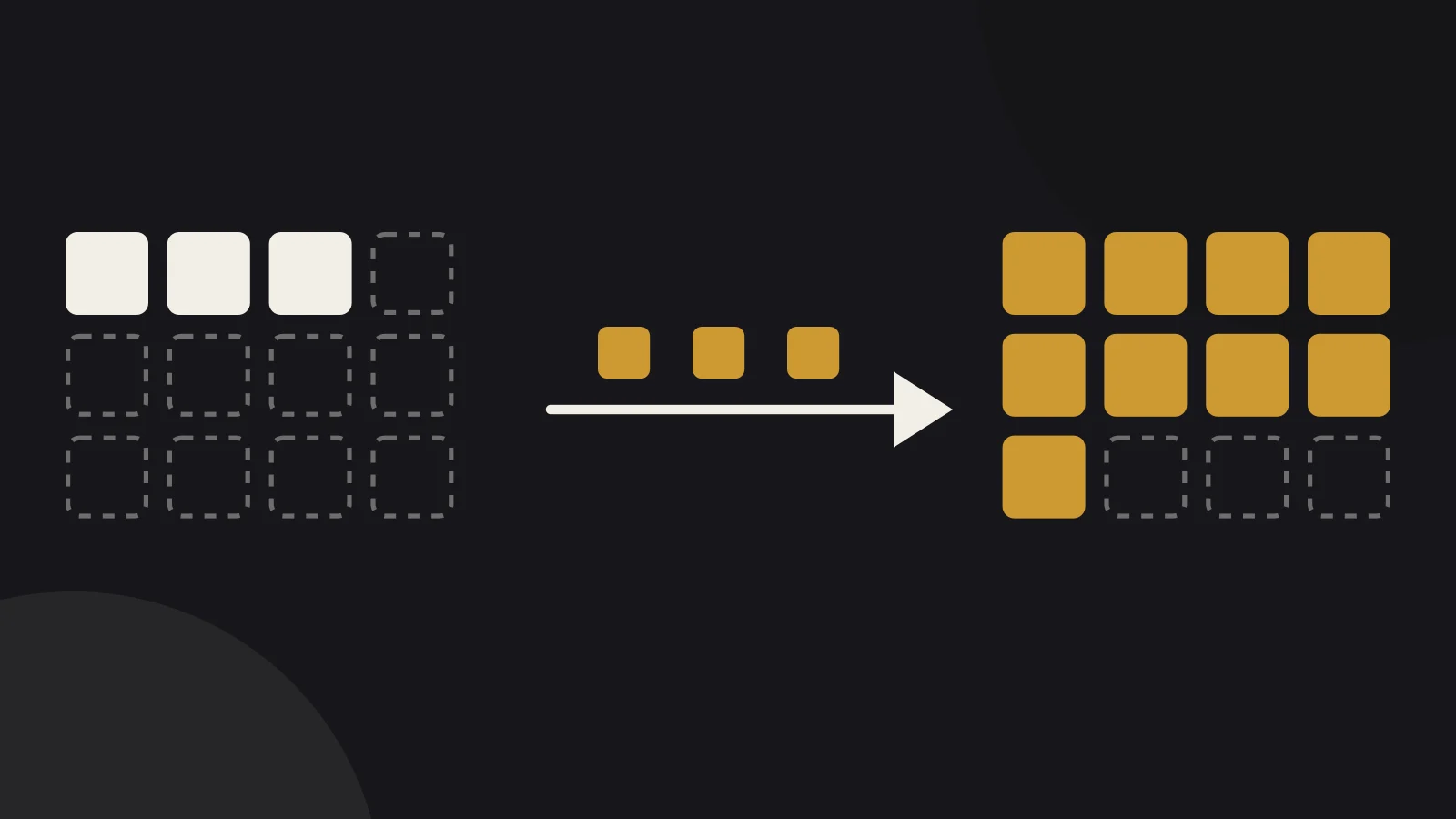
Tesler’s Law
Every system has a certain amount of complexity that cannot be removed, only moved.

Von Restorff Effect
When several similar items are present, the one that differs is the one people remember.

Zeigarnik Effect
People remember unfinished or interrupted tasks better than completed ones.
