Key takeaways
Pleasing visuals make users more forgiving of small flaws.
A beautiful interface can hide usability problems, so that they slip past usability tests.
Origins
The effect was studied in 1995, in the field of human-computer interaction. Masaaki Kurosu and Kaori Kashimura of the Hitachi Design Center had 252 participants rate 26 different ATM interface designs for ease of use and for beauty. Whatever the real usability of each design, the ratings showed a strong link between how attractive people found an interface and how usable they believed it to be. Kurosu and Kashimura concluded that even when users judge an interface by its function, they are strongly influenced by its aesthetics.
Further reading
- The Aesthetic-Usability Effect — Kate Moran | Nielsen Norman Group
- Aesthetic usability effect — Wikipedia
- The Aesthetic-Usability Effect: Why beautiful-looking products are preferred over usable-but-not-beautiful ones. — Abhishek Chakraborty | Medium
- Aesthetic-Usability Effect on Laws of UX — Jon Yablonski
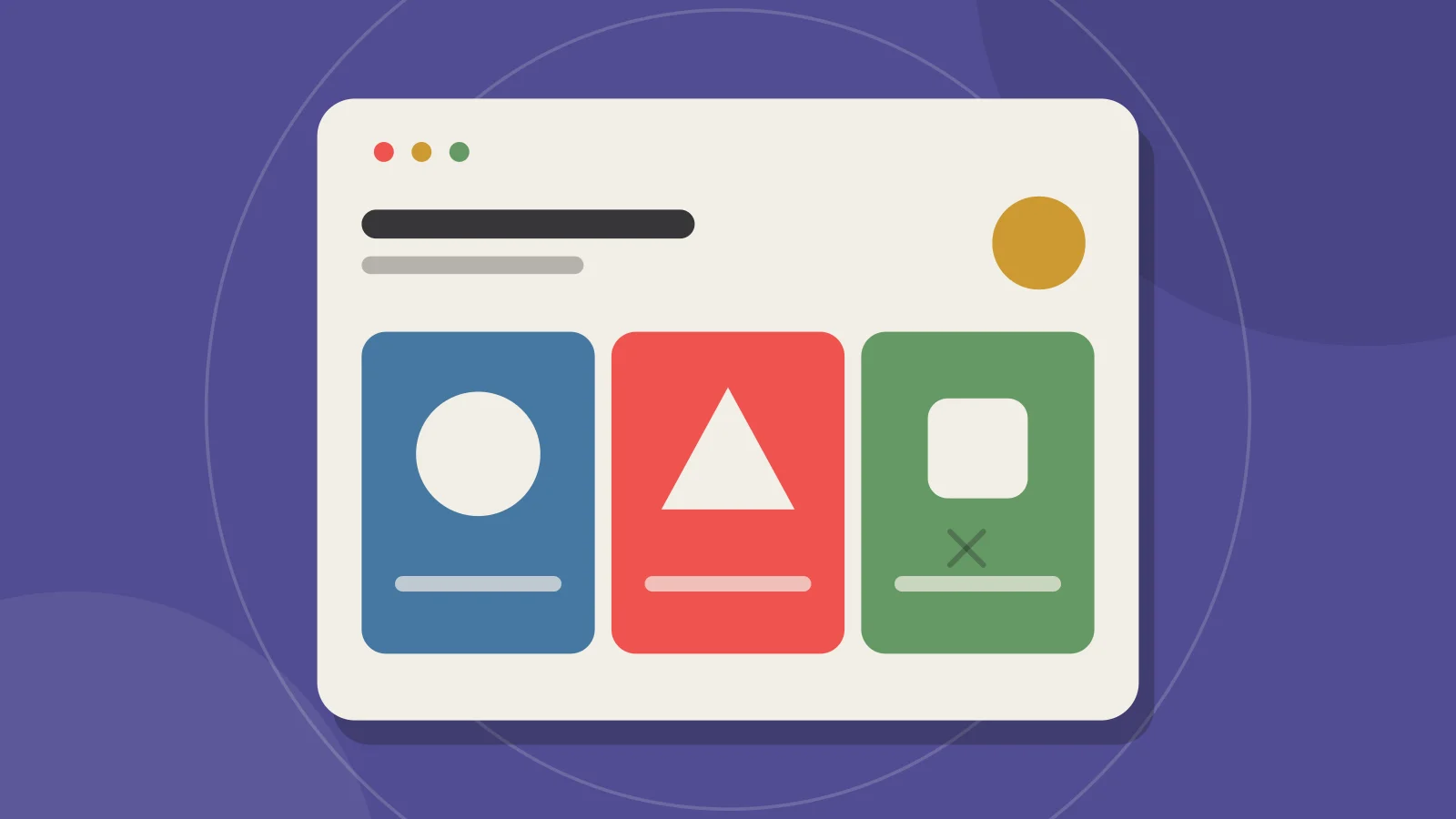
The illustration is our own, drawn after the idea of this law’s card in Laws of UX by Jon Yablonski.