
Key takeaways
Decide who carries the unavoidable complexity: the user, or the people who build the product.
Take the burden off the users wherever you can.
Origins
Larry Tesler, a computer scientist who worked at Xerox PARC and later at Apple, formulated it as the law of conservation of complexity. In an interview in Dan Saffer’s book Designing for Interaction, he argued that an engineer should spend an extra week removing complexity from an application rather than make millions of users spend an extra minute dealing with it. Bruce Tognazzini adds a caution: when a product gets simpler, people tend to attempt more complex tasks.
In practice
- Autofill, infer and default whatever you can, so that users don’t have to enter it.
- Hide advanced options behind progressive disclosure instead of removing them.
- Move validation, formatting and error recovery into the system.
Further reading
- Explaining the Law of Conservation of Complexity — Michael Calleia | Humanist.co
- Controls are Choices — Dan Saffer | Medium.com
- Simplicity is Overrated — Gabriel Colombo | Marvel
- Nobody Wants To Use Your Product — Goran Peuc | Smashing Magazine
- Law of Conservation of Complexity on Wikipedia — Wikipedia
- Tesler’s Law on Laws of UX — Jon Yablonski
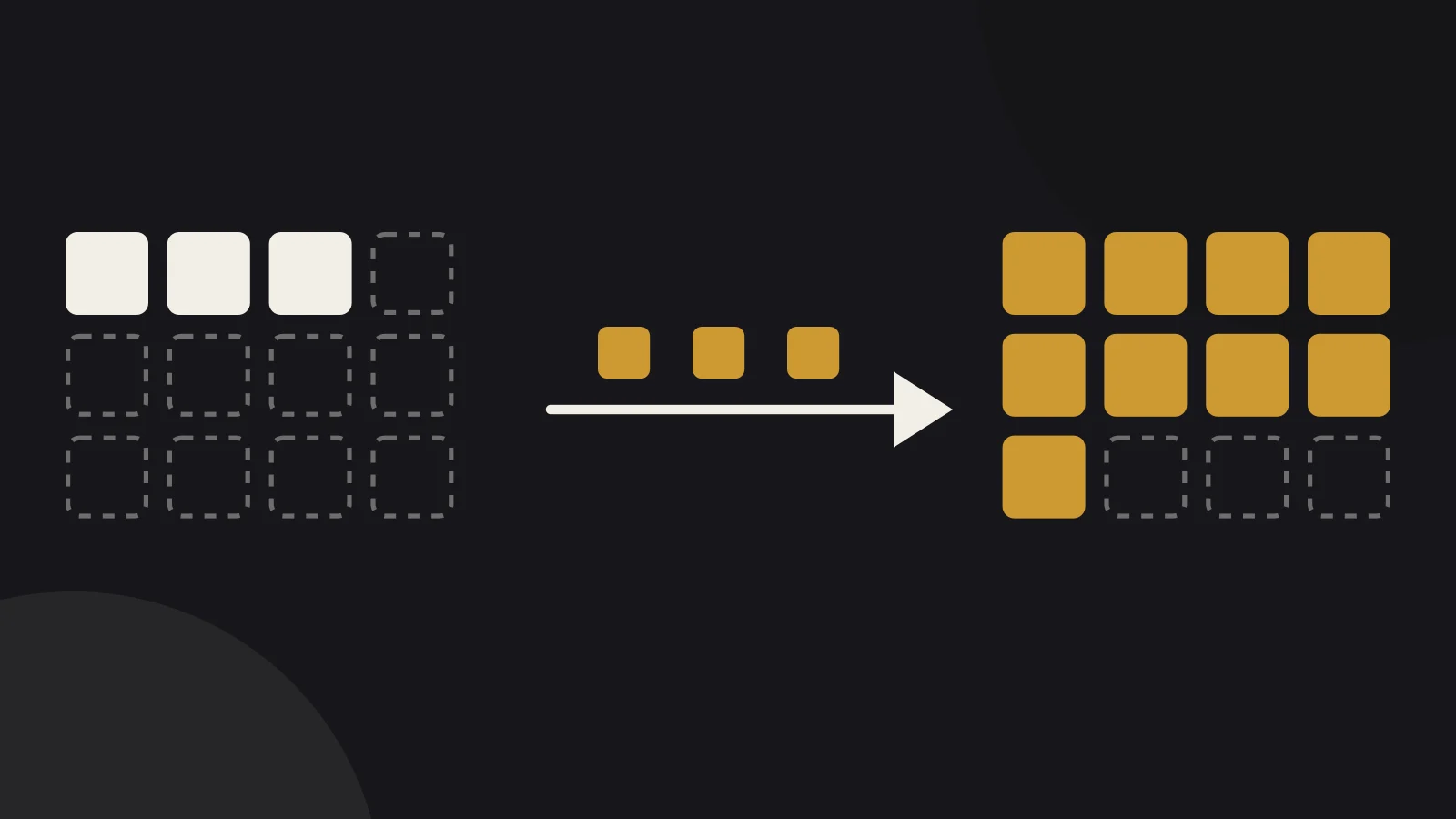
The illustration is our own, drawn after the idea of this law’s card in Laws of UX by Jon Yablonski.